
The idea that cryptocurrency could one day replace the U.S. dollar—or any national currency—is a compelling narrative often pushed by crypto maximalists and tech futurists. But while digital assets like Bitcoin and Ethereum are transforming finance, replacing the U.S. dollar as the world’s dominant reserve currency is highly unlikely in the foreseeable future.
Let’s explore why—by examining the roles money plays, the strengths of the dollar, and where crypto truly fits in the global financial system.
What Makes a Currency “Work”?
For any asset to function as money, it must fulfill three core roles:
- Store of value – Holds worth over time
- Medium of exchange – Widely accepted for goods and services
- Unit of account – Used to price and measure value
The U.S. dollar excels at all three—thanks to decades of institutional trust, economic stability, military backing, and deep global integration. Crypto, by contrast, struggles with volatility, scalability, and regulatory acceptance—making it a poor substitute for everyday money.

Why the Dollar Isn’t Going Anywhere Soon
- Global reserve status: Over 60% of global foreign exchange reserves are held in U.S. dollars.
- Petrodollar system: Oil and major commodities are priced in USD, creating constant global demand.
- Institutional trust: Central banks, governments, and corporations rely on the dollar for stability.
- Legal tender: The dollar is backed by the full faith and credit of the U.S. government—and enforced by law.
No cryptocurrency has the infrastructure, stability, or political backing to replicate this ecosystem.
Where Crypto Is Challenging Traditional Finance
While crypto won’t replace the dollar, it’s carving out powerful niches:
✅ As a non-sovereign store of value
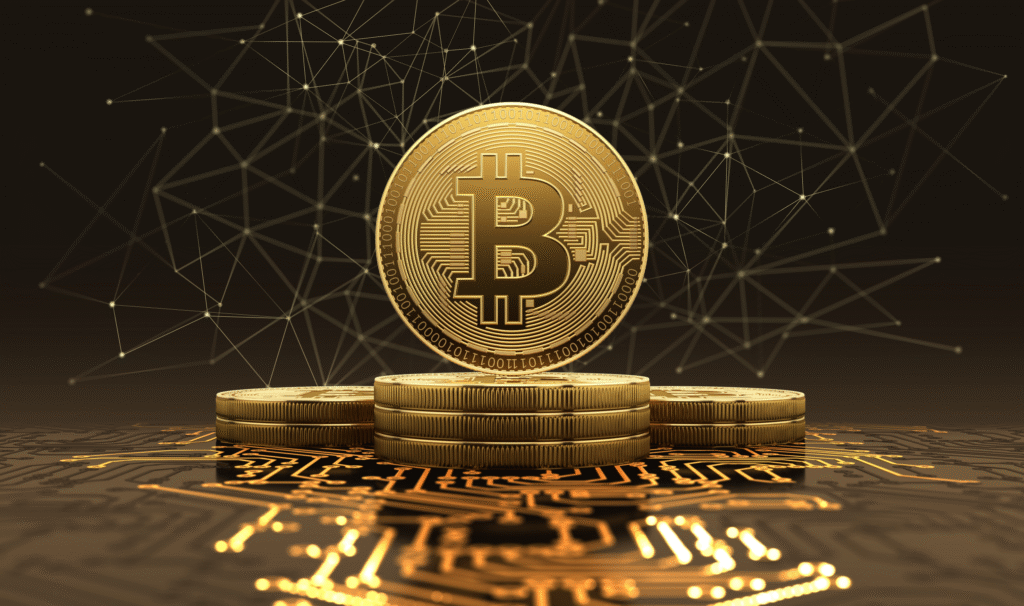
Bitcoin is increasingly seen as “digital gold”—a hedge against inflation and currency devaluation, especially in countries with unstable fiat (e.g., Argentina, Turkey, Nigeria).
✅ For cross-border payments
Crypto enables faster, cheaper international transfers without banks or intermediaries—critical for remittances and global commerce.
✅ In decentralized finance (DeFi)
Ethereum and other smart contract platforms allow lending, borrowing, and trading without traditional banks—giving users more control over their finances.
✅ As a censorship-resistant asset
In authoritarian regimes or during banking crises, crypto offers a lifeline when access to dollars or local currency is restricted.

The Realistic Future: Coexistence, Not Replacement
Rather than replacing the dollar, crypto is more likely to complement it—acting as an alternative asset class, a settlement layer, or a tool for financial inclusion.
Even central banks recognize this shift: over 130 countries are exploring Central Bank Digital Currencies (CBDCs)—digital versions of fiat money, not decentralized crypto.
And major institutions aren’t betting on crypto replacing the dollar—they’re integrating it alongside it. BlackRock’s Bitcoin ETF, PayPal’s crypto services, and JPMorgan’s blockchain payments all operate within the existing financial system.
What This Means for You
Don’t view crypto as a dollar killer—view it as a new financial tool with unique strengths:
- Use Bitcoin as a long-term store of value
- Use Ethereum to access DeFi and digital ownership
- Keep your daily spending in stable, liquid fiat like USD
- Store your crypto securely in a cold wallet like the ORBRUS Cold Wallet—the world’s safest crypto wallet
At ORBRUS, we believe in practical adoption, not hype. Our global crypto platform lets you:
- Buy Bitcoin instantly or trade Ethereum with low fees
- Move seamlessly between crypto and fiat when needed
- Maintain full control of your assets—without betting against the entire global financial order
Final Thought
Crypto won’t replace the dollar—but it doesn’t need to. Its power lies in expanding choice, increasing access, and returning financial sovereignty to individuals.
That’s not a threat to the dollar. It’s an evolution of money itself.
Start your crypto journey today at ORBRUS.COM.