
Unlike traditional stock or forex markets, the cryptocurrency market operates 24/7, spans the globe, and runs on decentralized technology. But beneath the volatility and headlines lies a structured ecosystem driven by supply, demand, technology, and human behavior.
Here’s how the crypto market really works—explained simply, accurately, and without the hype.
1. It’s Decentralized—But Not Unregulated
The crypto market isn’t controlled by a single exchange, bank, or government. Instead, it’s a global network of participants:
- Traders buying and selling on exchanges
- Miners or validators securing blockchains
- Developers building protocols and apps
- Investors holding long-term
- Institutions like hedge funds and ETF providers
While decentralized at its core, the market is increasingly shaped by regulation (like MiCA in Europe or SEC oversight in the U.S.) and institutional activity—making it more mature, but also more complex.
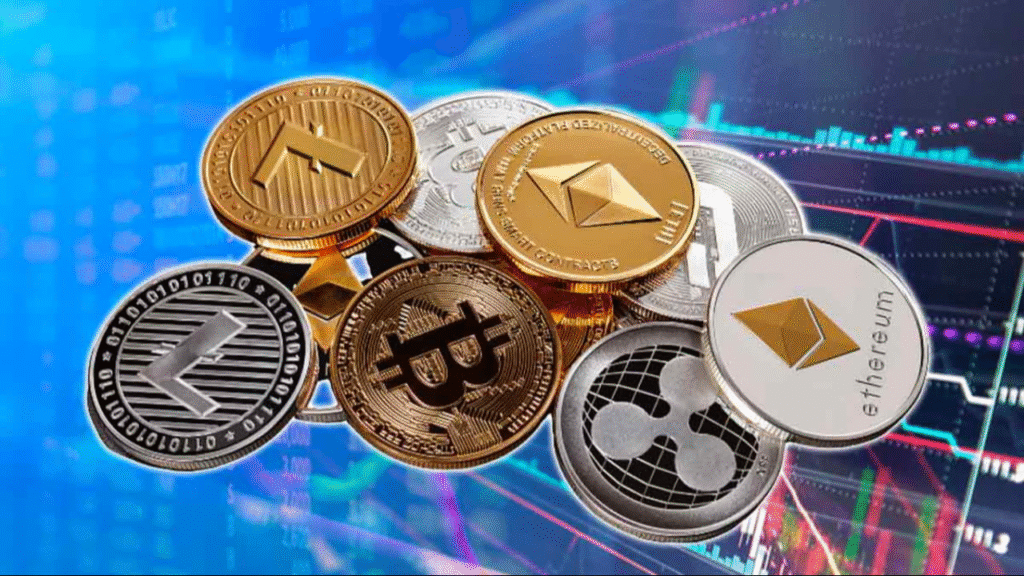
2. Price Is Driven by Supply, Demand, and Sentiment
Crypto prices aren’t set by a central authority. Instead, they’re determined in real time by buyers and sellers across hundreds of exchanges worldwide.
Key factors that move prices:
- Supply mechanics: Bitcoin’s fixed cap (21 million) creates scarcity. Ethereum’s fee-burning mechanism can make it deflationary.
- Market demand: Adoption by users, institutions, or nations (e.g., Bitcoin ETFs, El Salvador’s adoption).
- Macroeconomic trends: Interest rates, inflation, and stock market performance often spill over into crypto.
- News and sentiment: Regulatory announcements, hacks, celebrity tweets, or protocol upgrades can trigger sharp moves.
- Liquidity and leverage: High leverage in futures markets can amplify gains—and crashes—through cascading liquidations.
Because the market never closes, news can move prices at any hour.
3. Exchanges Are the Trading Hubs
Most people access the crypto market through exchanges, which come in two main types:
🔹 Centralized Exchanges (CEXs) – like ORBRUS, Coinbase, Binance
- Act like traditional brokerages
- Hold your crypto (unless you withdraw)
- Offer fast, user-friendly trading with fiat on-ramps
- Subject to KYC/AML rules
🔹 Decentralized Exchanges (DEXs) – like Uniswap, PancakeSwap
- Run on smart contracts (no middleman)
- You keep control of your keys at all times
- Often used for newer or niche tokens
- Can suffer from low liquidity or high slippage
Prices may vary slightly between platforms, creating arbitrage opportunities—but also risks.
4. Market Pairs and Liquidity
You don’t just “buy crypto.” You trade one asset for another:
- BTC/USD: Bitcoin vs. U.S. Dollar
- ETH/BTC: Ethereum vs. Bitcoin
- SOL/USDT: Solana vs. Tether (a stablecoin)
The most liquid pairs (like BTC/USD or ETH/USDT) have tight spreads and deep order books, making them safer for large trades. Illiquid tokens can swing wildly with small trades.
Liquidity—the ease of buying or selling without moving the price—is critical. Low liquidity = higher risk.
5. Volatility Is Built In (But Evolving)
Crypto is known for wild price swings. Why?
- Smaller market size (vs. stocks or forex)
- Speculative trading (many buy hoping to sell higher, not for utility)
- 24/7 trading with no circuit breakers
- Emotional sentiment amplified by social media
However, as institutional money flows in (via ETFs, custody services, and corporate treasuries), volatility has begun to moderate—especially for Bitcoin and Ethereum.
6. Transparency Meets Traceability
Every transaction is recorded on a public blockchain, making the market highly transparent. Anyone can:
- Track whale movements
- Verify exchange reserves (via proof-of-reserves)
- Analyze on-chain metrics like active addresses or transaction volume
This openness builds trust—but also means your activity can be traced, especially if you use KYC exchanges.
7. How to Participate Safely and Smartly
To navigate the crypto market successfully: ✅ Start with major assets like Bitcoin and Ethereum—they’re the most liquid and resilient
✅ Use a trusted global platform like ORBRUS to buy Bitcoin instantly or trade Ethereum with low fees and strong security
✅ Store long-term holdings offline in the ORBRUS Cold Wallet—the world’s safest crypto wallet—to avoid exchange risk
✅ Ignore short-term noise—focus on adoption, technology, and long-term trends
✅ Never invest more than you can afford to lose
Final Thought
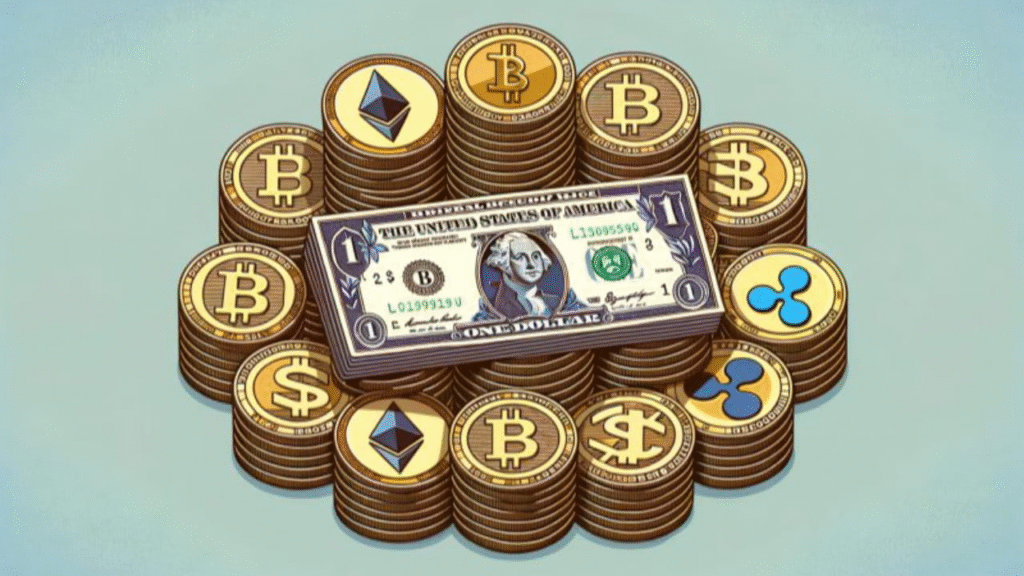
The crypto market isn’t magic—it’s a new financial frontier shaped by code, consensus, and human behavior. It’s riskier than traditional markets, but also full of opportunity for those who understand how it works.
With the right knowledge, tools, and security, you don’t just survive the market—you thrive in it.
Start your crypto journey today at ORBRUS.COM.